How Proper Subfloor Installation Prevents Floor Damage
Hiring local contractors for proper subfloor installation helps prevent floor damage by ensuring a stable, level foundation that supports your flooring and extends its lifespan.
Understanding how proper subfloor installation prevents floor damage is essential for property owners looking to protect their investment. A well-installed subfloor provides a stable foundation that supports the entire flooring system, helping to prevent issues like squeaking, cracking, and uneven surfaces. For those in the area considering renovation or repair projects, knowing the importance of quality subfloor work can lead to longer-lasting floors and fewer costly repairs down the line. Local contractors specializing in subfloor installation have the expertise to ensure the job is done correctly, offering peace of mind that the underlying structure will stand up to daily wear and tear.
Property owners often explore this topic to avoid common problems such as moisture buildup, shifting, or sagging floors that can result from improper subfloor setup. When the subfloor isn’t installed properly, it can create vulnerabilities that compromise the entire flooring system, leading to damage that’s expensive and disruptive to fix. Engaging experienced service providers in the area can make a significant difference, as they understand the nuances of subfloor materials and techniques that help prevent these issues. Keep reading to learn more about how proper subfloor installation plays a crucial role in maintaining the integrity and longevity of floors.
- homeowners planning to install new flooring should consider proper subfloor installation to prevent future damage, with local contractors ensuring a stable foundation. - during home renovations, local service providers can help correct existing subfloor issues that may lead to uneven or cracked floors over time. - property owners experiencing moisture problems or floor squeaks often seek professional subfloor installation to address underlying issues and protect the floor’s integrity. - when upgrading flooring materials, local contractors emphasize proper subfloor preparation to avoid costly repairs caused by improper installation. - new constructions or additions benefit from expert subfloor installation to ensure the floor remains level and damage-resistant for years to come.
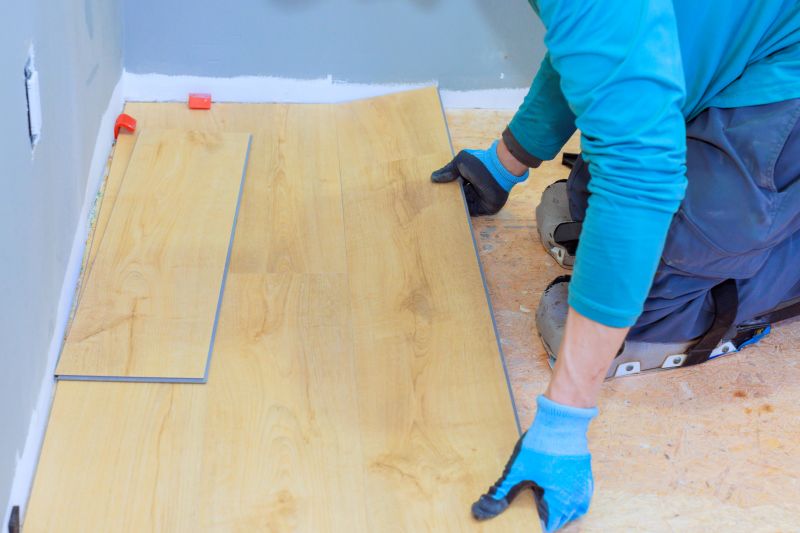
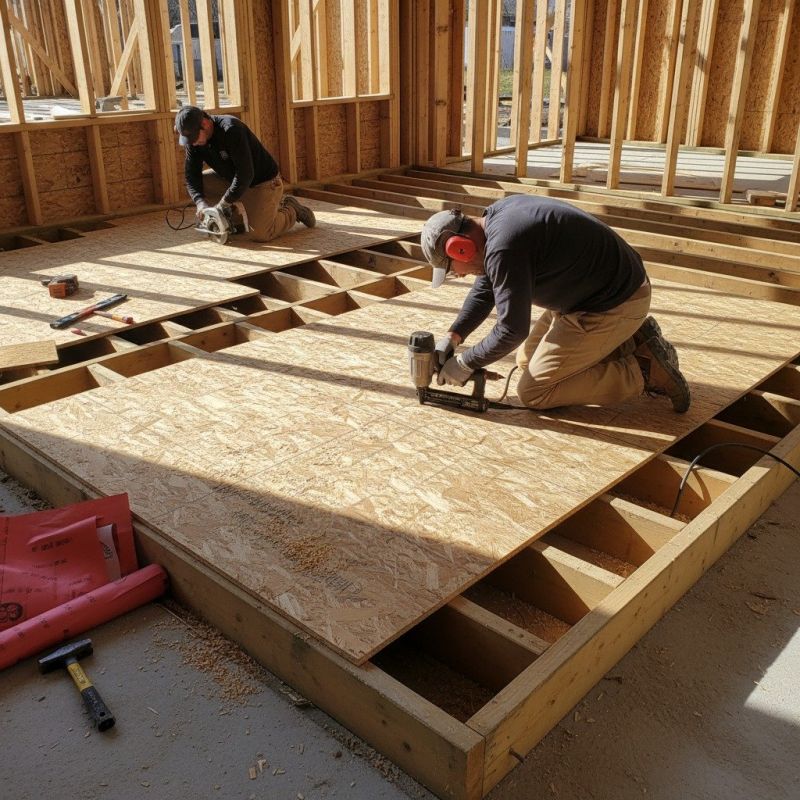
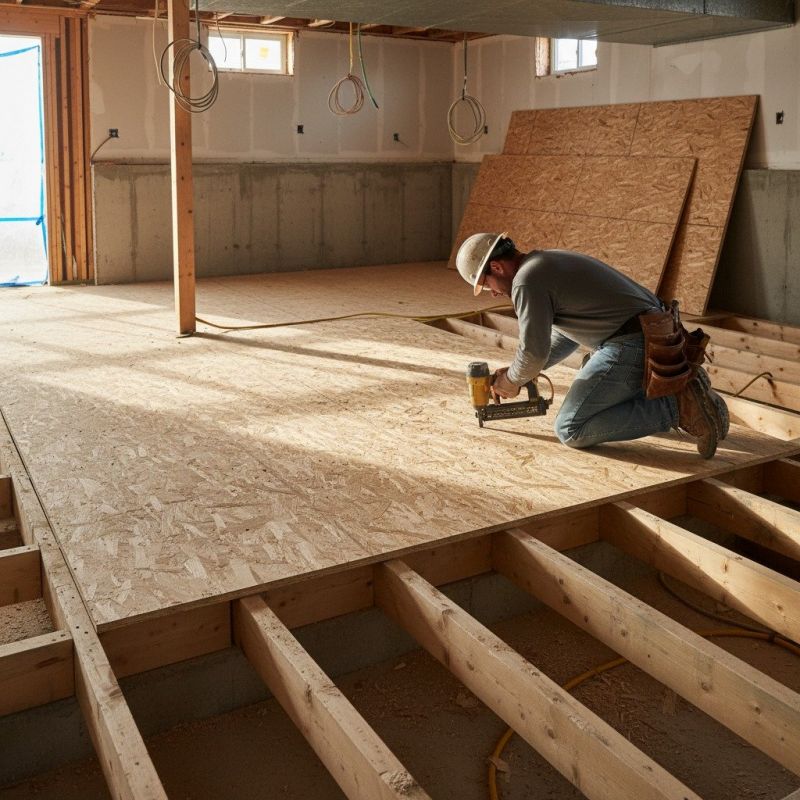
When homeowners search for information on how proper subfloor installation prevents floor damage, they often want to understand the connection between the foundation beneath their flooring and the long-term durability of their space. This topic is commonly linked to concerns about uneven floors, creaking sounds, or cracks appearing over time. It also relates to plans for remodeling, new construction, or upgrading existing flooring systems. People typically want to ensure that their investment in flooring materials will last and remain in good condition, which makes proper subfloor installation a key factor in preventing issues caused by substandard groundwork.
Problems associated with improper subfloor installation can include buckling, warping, or sagging floors, which may lead to costly repairs or replacements. These issues often stem from inadequate support, moisture problems, or poor leveling during installation. When homeowners plan renovation projects or new builds, they look for ways to avoid these common pitfalls. Proper subfloor installation directly impacts the stability and flatness of the finished floor, helping to prevent damage that can compromise the entire flooring system. Understanding these connections encourages homeowners to prioritize skilled installation from experienced service providers.
The types of properties that typically come up in discussions about subfloor installation range from residential homes to small commercial spaces. Single-family houses, condominiums, and apartment complexes all require a solid subfloor foundation to support various flooring types, such as hardwood, laminate, tile, or carpet. Older properties may need subfloor repairs or upgrades to address existing damage or moisture issues, while new constructions often require precise installation to meet building standards. Regardless of the property type, ensuring a proper subfloor setup is an essential step in safeguarding the floor’s longevity and functionality.
Connecting with local service providers who specialize in subfloor installation can help address these concerns effectively. These professionals bring experience in assessing the specific needs of different properties, whether it involves leveling uneven surfaces, moisture mitigation, or reinforcing weak spots. Homeowners can benefit from expert guidance to select the right materials and techniques for their project, ensuring that the subfloor provides a stable, durable foundation. Proper subfloor installation by skilled local contractors ultimately helps prevent future damage, saving time and money while maintaining the integrity of the entire flooring system.
Flooring Removal and Preparation - Professionals experienced in flooring removal and subfloor prep ensure a solid foundation, reducing the risk of future floor damage caused by uneven or weak subfloors.
Concrete Subfloor Repair - Contractors skilled in concrete repair can address cracks or moisture issues that, if left uncorrected, may lead to problems with installed flooring over time.
Moisture Testing and Control - Local service providers who perform moisture testing help prevent floor damage by ensuring the subfloor remains dry and suitable for new flooring installation.
Leveling and Smoothing Subfloors - Experts in leveling techniques create a flat, even surface, which is essential for preventing issues like squeaking, cracking, or uneven wear in finished floors.
Underlayment Installation - Installing proper underlayment by experienced pros supports the subfloor, provides additional moisture barrier, and helps prevent future floor damage.
Structural Inspection and Reinforcement - Service providers can assess and reinforce subfloor framing, ensuring stability and reducing the risk of damage caused by shifting or sagging floors.
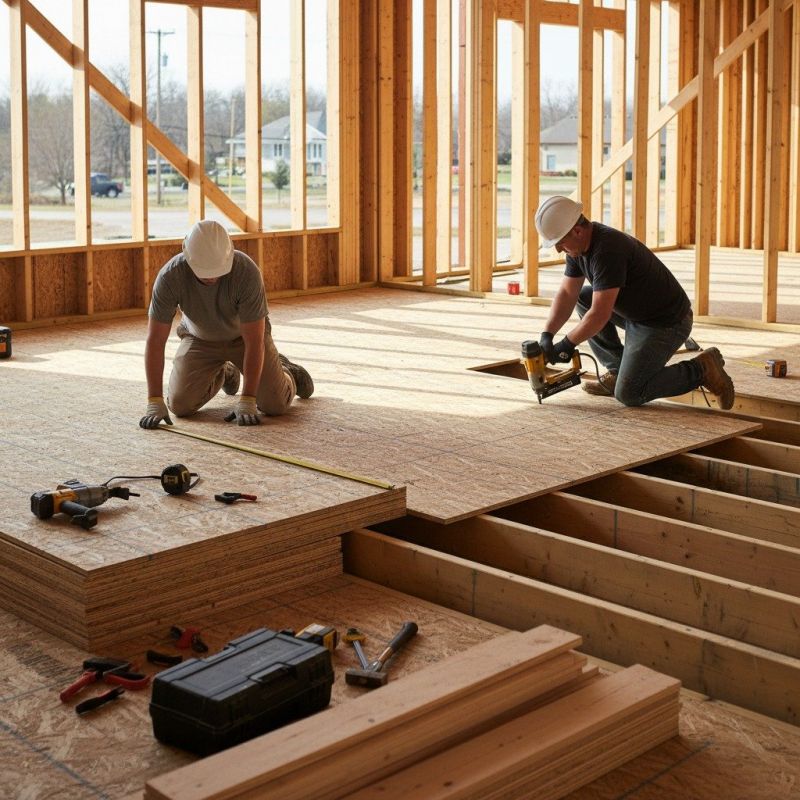
When comparing service providers for subfloor installation, it’s important to consider their experience with similar projects. Homeowners should inquire about the types of flooring and subfloor systems the contractors have worked with in the past, as well as the complexity of those projects. A contractor with a history of successful installations in residential settings can offer insights into common challenges and effective solutions, helping to ensure that the subfloor is properly installed to prevent issues such as uneven surfaces or moisture problems that can lead to floor damage later on.
Clear written expectations are essential when evaluating local contractors for subfloor installation services. Homeowners should seek detailed descriptions of the scope of work, materials to be used, and the steps involved in the installation process. Having this information in writing helps prevent misunderstandings and ensures that both parties are aligned on the project goals. Well-defined expectations also make it easier to compare quotes and assess whether a contractor’s approach aligns with best practices for preventing floor damage through proper subfloor installation.
Reputable references and good communication are key factors in selecting the right service provider. Homeowners can ask for references from previous clients who had similar work done and follow up to learn about their experiences. Additionally, contractors who communicate clearly and promptly can make the process smoother and more transparent, providing updates and answering questions throughout the project. Effective communication and positive references can give confidence that a contractor understands the importance of proper subfloor installation in preventing future floor damage and will prioritize quality workmanship.
Property owners often search for how proper subfloor installation prevents floor damage when they are planning practical projects around their homes and businesses. Local pros provide Subfloor Installation services for everyday jobs and straightforward project options.
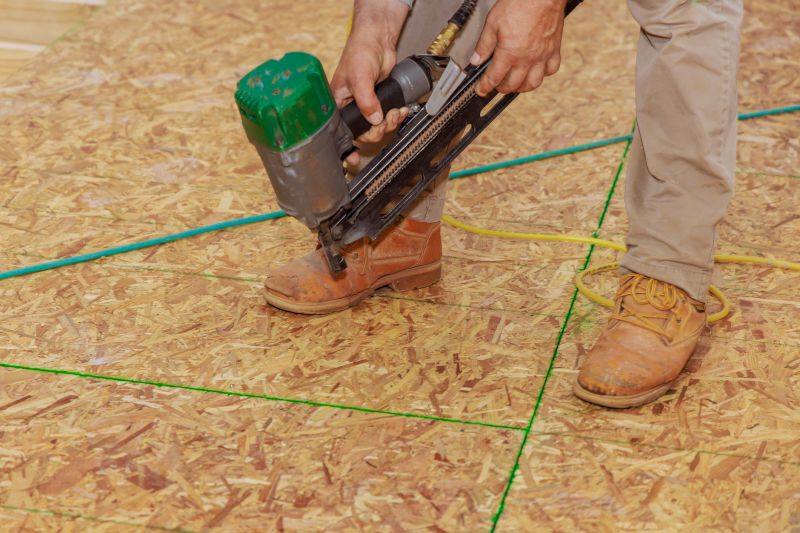
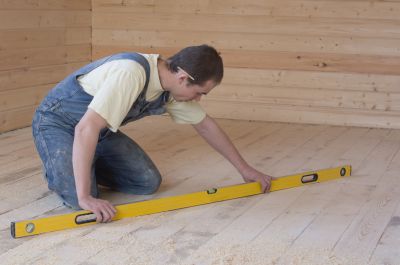
Proper subfloor installation plays a critical role in preventing common floor problems that many property owners encounter over time. When subfloors are installed correctly, they provide a stable and level foundation, reducing the risk of uneven surfaces, squeaks, and gaps that can lead to more serious damage. Homeowners who notice issues like cracked tiles, buckling hardwood, or loose carpeting often find that these problems stem from subfloor issues, highlighting the importance of professional installation by experienced local contractors.
Many property owners seek out subfloor installation services to ensure their floors remain durable and long-lasting. Skilled local service providers understand the importance of proper subfloor preparation, moisture control, and precise fastening techniques to prevent future damage. Choosing the right local contractors for subfloor work can help safeguard the integrity of the entire flooring system, saving money and effort on repairs down the line.
Why is proper subfloor installation important for preventing floor damage? Proper subfloor installation ensures a stable and level foundation, which helps prevent issues like buckling, cracking, or uneven surfaces that can damage flooring over time.
How can local contractors help ensure proper subfloor installation? Local contractors have the experience and tools to install subfloors correctly, reducing the risk of moisture problems, warping, and structural issues that lead to floor damage.
What are common signs that improper subfloor installation may be causing floor damage? Signs include squeaking floors, uneven surfaces, cracks in the flooring, or visible warping, which can often be traced back to subfloor issues handled by local service providers.
In what ways does proper subfloor installation protect flooring materials? Proper installation provides a solid, level base that minimizes movement and moisture intrusion, helping to extend the lifespan of flooring materials and prevent damage.
What role do local pros play in preventing future floor damage through subfloor installation? They ensure the subfloor is correctly prepared and installed, which is essential for maintaining the integrity of the entire flooring system and avoiding costly repairs later on.
Assess the subfloor condition - property owners should have local contractors evaluate existing subfloors before installation to identify any issues that could lead to damage.
Use proper leveling techniques - ensuring the subfloor is level and even helps prevent uneven wear and cracks in the finished flooring.
Choose quality materials - selecting durable subfloor materials with the help of local service providers can reduce the risk of warping or moisture damage over time.
Follow installation best practices - working with experienced local contractors ensures the subfloor is installed correctly, minimizing future floor problems.
If you are thinking about how proper subfloor installation prevents floor damage for a property, this guide is meant to help you understand this topic, the typical project types, and how different options might fit your plans.
When you are ready, you can use the quote form on this page to share a few details about your project. From there, local pros can review the basics and follow up with options that match what you have in mind.